The True Cost of a Failed Transaction: Beyond the Refund

Thursday, 16 July 2026|2 mins. read
The True Cost of a Failed Transaction: Beyond the Refund
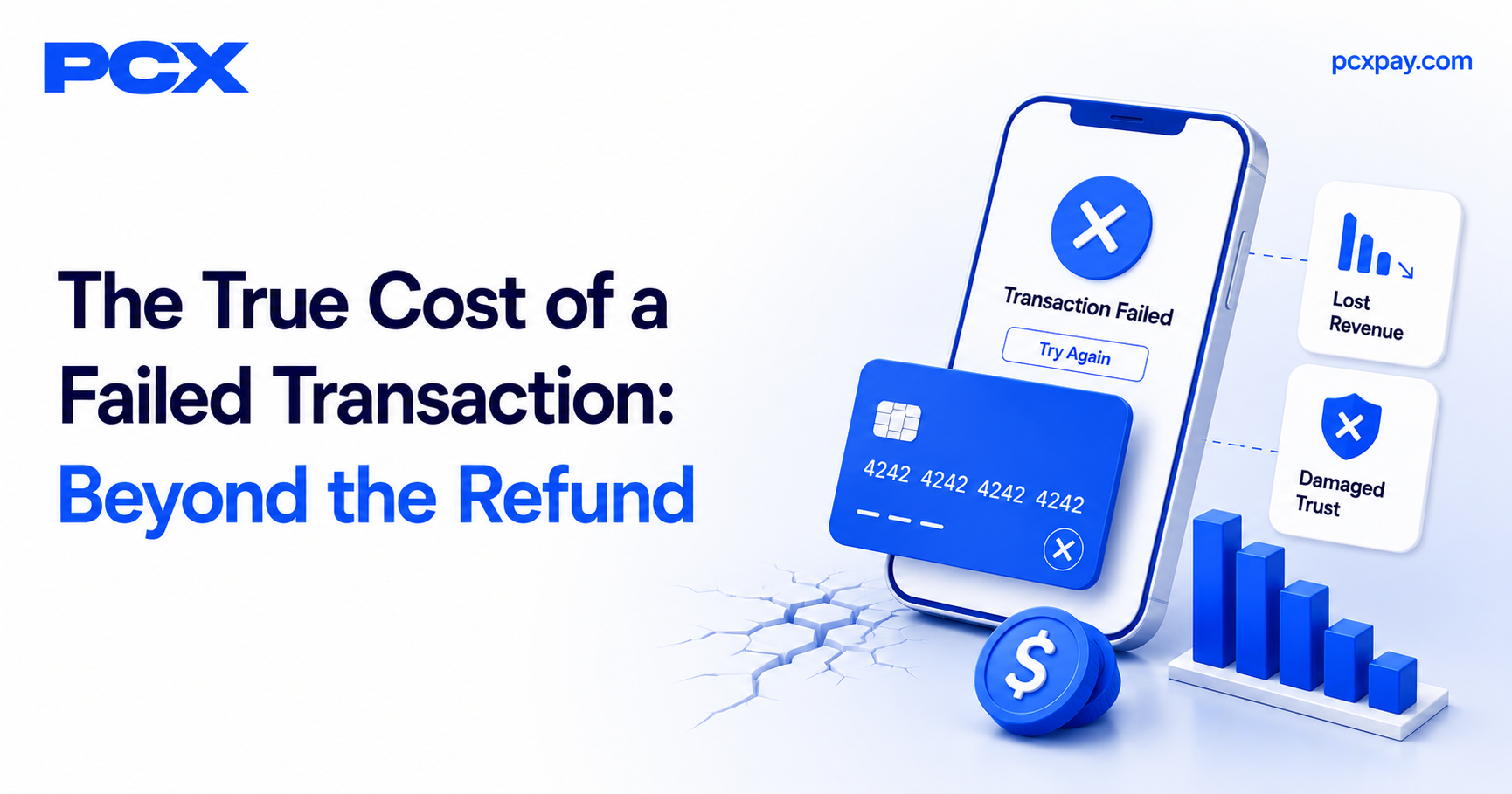
The Operational Chain Reaction Behind a Failed Payment

A single failed transaction can trigger multiple layers of internal work before the issue is truly resolved.

Support teams investigate whether funds were debited, pending, reversed, or partially settled. Finance teams reconcile mismatched balances across ledgers and providers. Engineering teams trace logs across payment rails, banking partners, and internal services to identify where the breakdown occurred. In cross-border environments, transaction states may remain inconsistent across systems for hours before final settlement visibility becomes clear.

The actual payment failure may last seconds.

The operational cleanup can last days.

This becomes especially expensive in high-volume systems where even a small percentage of failed payments creates continuous operational drag. A platform processing thousands of daily transactions may quietly spend dozens of hours weekly resolving settlement ambiguity, handling reversals, and manually validating payment states across fragmented systems.

Most companies measure refund exposure.

Far fewer measure the infrastructure cost of uncertainty.

Why Failed Transactions Become a Retention Problem

Users rarely think about payment infrastructure until something goes wrong.

When money moves predictably, the experience disappears into the background. But when a transaction fails without clear visibility or communication, trust weakens quickly. Users begin retrying payments unnecessarily, contacting support repeatedly, or abandoning transactions altogether.

In embedded finance environments, the consequences become even more significant. A failed payroll transfer, delayed vendor payout, or interrupted loan disbursement affects more than convenience. It disrupts workflows users depend on operationally.

Over time, repeated payment friction creates secondary business costs:

higher support volume,

lower transaction frequency,

reduced customer confidence,

and increased churn risk.

These effects rarely appear immediately in dashboards, but they accumulate quietly beneath the surface of growth metrics.

Reliability Is More Than Transaction Success

Many providers frame reliability as a transaction approval problem. In reality, resilient payment infrastructure depends just as much on visibility, traceability, and recovery behaviour when failures occur.

At PCXPay, infrastructure is designed around coordinated transaction monitoring across routing, settlement, reconciliation, and payout layers. This allows payment states to remain visible even when external rails, banking partners, or settlement timelines become inconsistent.

The objective is not to create the illusion that failures never happen. In payments, failures are inevitable.

The objective is to prevent failures from turning into operational chaos.

Learn how PCXPay helps platforms reduce operational payment risk through infrastructure designed for transaction observability, settlement clarity, and resilient payment orchestration.
#fintech#paymentorchestration#financialoperations#systemdesign#embeddedfinance

Other Stories

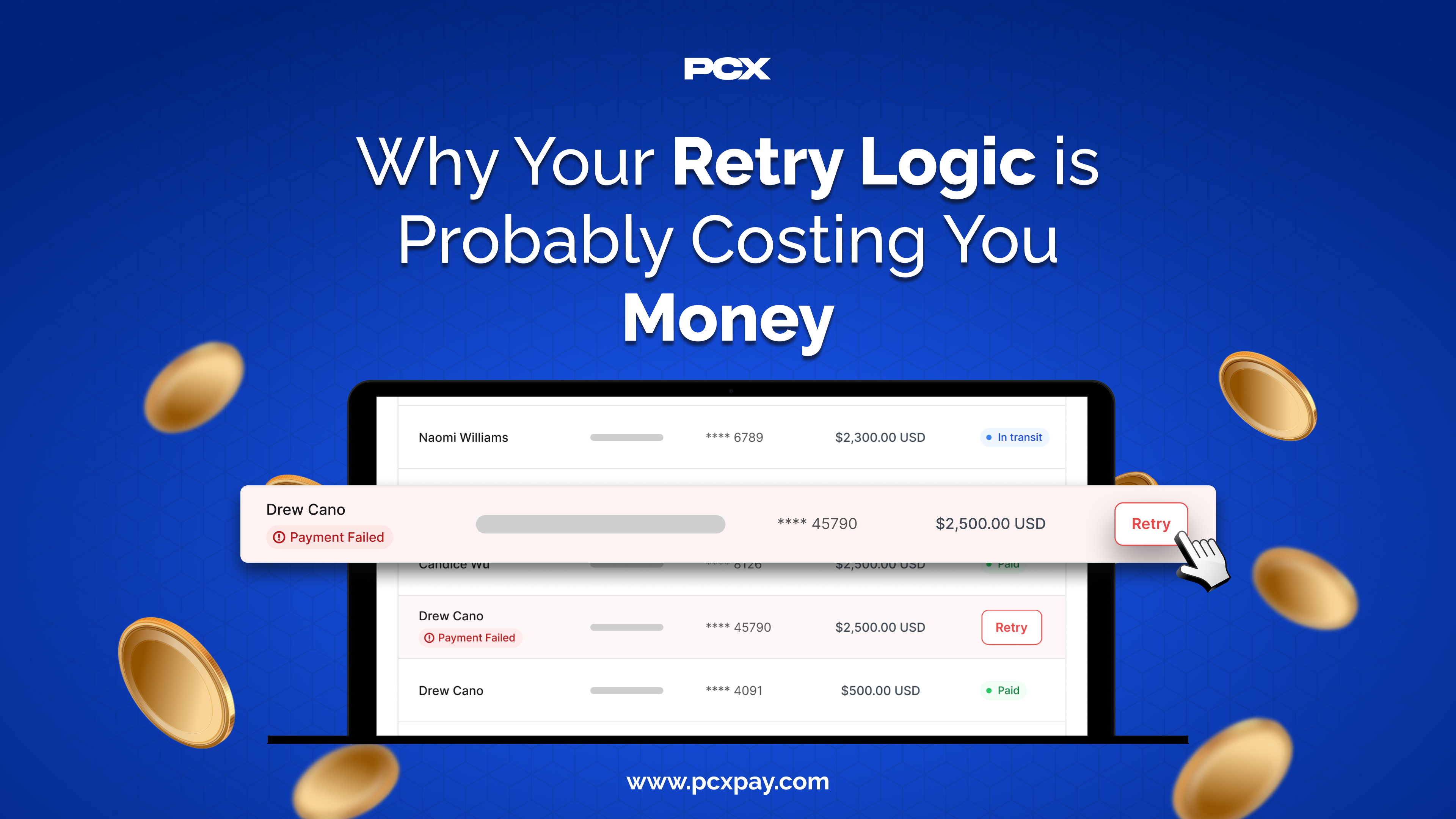
Why Your Retry Logic is Probably Costing You Money

Why Your Retry Logic is Probably Costing You Money

Most payment systems treat retries as a safety mechanism. A transaction fails, the system tries again, and success rates improve. At least in theory. In practice, poorly designed retry logic often creates hidden operational costs that become more expensive as transaction volume grows. Duplicate processing, unnecessary routing fees, delayed settlements, partner strain, and inflated infrastructure usage are all common side effects of retry systems designed around brute force repetition rather than intelligent orchestration. Retries solve failure. But unmanaged retries can also amplify it.

Friday, 21 August 2026

Read More
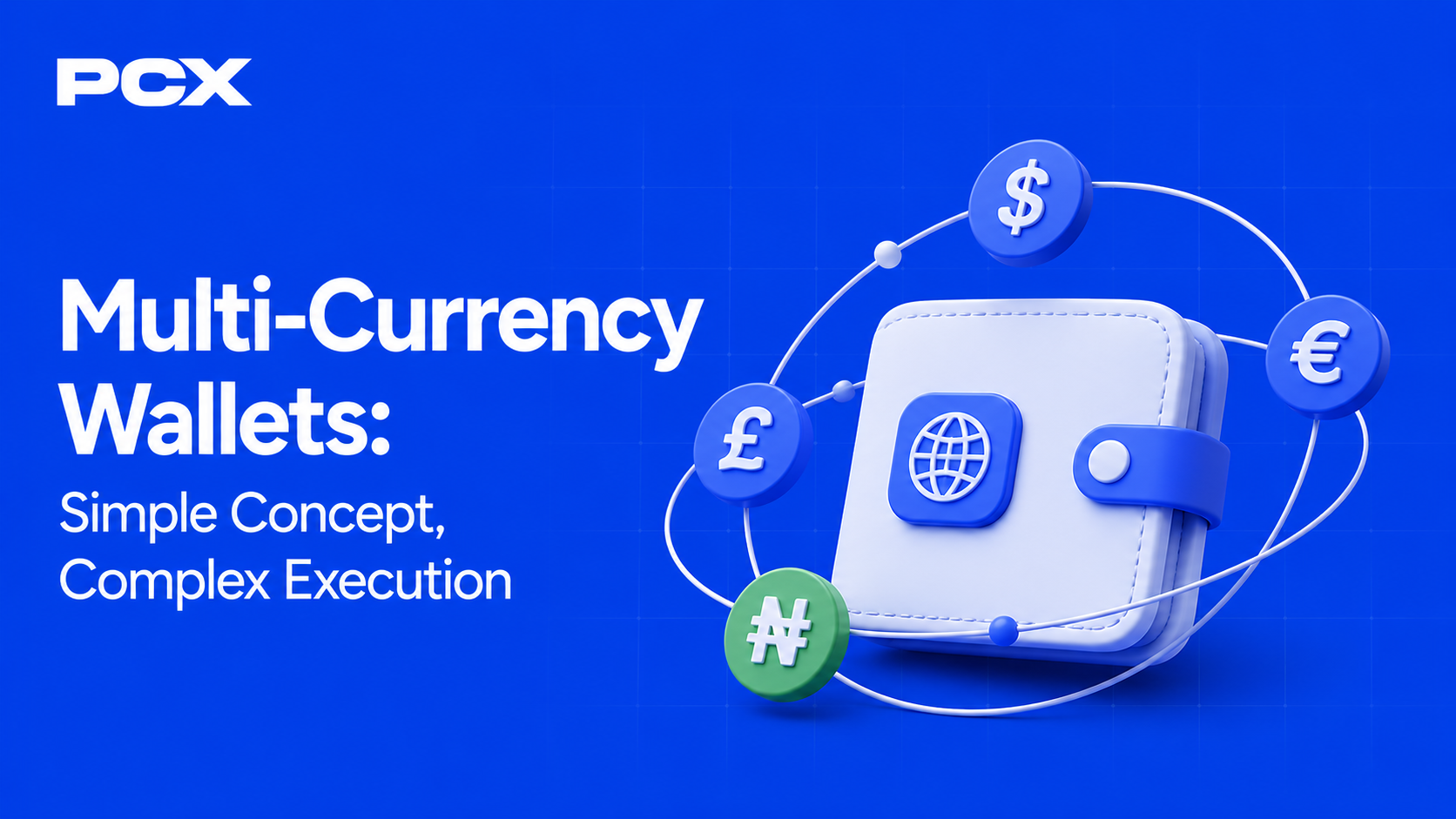
Multi-Currency Wallets: Simple Concept, Complex Execution

Multi-Currency Wallets: Simple Concept, Complex Execution

Multi-currency wallets appear deceptively simple from the outside. Hold multiple balances. Convert between currencies. Send and receive funds across regions. For users, the experience feels straightforward. Behind the infrastructure layer, however, multi-currency systems are one of the most operationally complex products payment platforms can build. Because supporting multiple currencies is not simply about displaying different balances. It requires coordinating settlement behaviour, liquidity management, FX exposure, compliance obligations, and transaction visibility across entirely different financial systems simultaneously. The complexity begins long before the first currency conversion occurs.

Friday, 14 August 2026

Read More
The "1,000 Transactions" Trap: Why Early Payment Success Doesn't Scale

The "1,000 Transactions" Trap: Why Early Payment Success Doesn't Scale

The first thousand transactions usually create a dangerous kind of confidence. Payments appear stable. Reconciliation feels manageable. Support tickets stay low. Dashboards look healthy. From the surface, the infrastructure seems ready for growth. Then volume increases. Suddenly, retries begin stacking. Settlement mismatches become harder to trace. Transaction delays appear across specific corridors. Finance teams start escalating inconsistencies engineering teams cannot immediately reproduce. What worked perfectly at low volume begins failing under operational pressure. This is one of the most common traps in payment infrastructure. Early payment success is not proof of scalability. It is often proof that the system has not yet been stressed.

Wednesday, 5 August 2026

Read More
Why "Free" Payment APIs Cost More Than You Think

Why "Free" Payment APIs Cost More Than You Think

"Free" is one of the most effective words in fintech marketing. Free API access. Free integrations. Zero setup costs. For early-stage companies moving quickly, these offers feel compelling. A few lines of code, a sandbox environment, and payments appear operational within days. From the outside, it looks like infrastructure has become commoditised. But payment infrastructure is rarely free. The cost simply moves somewhere less visible.

Wednesday, 29 July 2026

Read More
Why Your Payment Provider's Uptime Claim Is Misleading

Why Your Payment Provider's Uptime Claim Is Misleading

"99.9% uptime" has become one of the most overused metrics in payment infrastructure. It appears on landing pages, sales decks, and vendor comparison sheets across the industry. For many companies evaluating payment providers, high uptime percentages create the impression of reliability and operational stability. But uptime alone says very little about whether payments actually succeed. A payment API can remain technically available while transactions fail downstream across settlement rails, banking partners, compliance systems, or liquidity providers. Requests still receive responses. Dashboards remain accessible. Status pages stay green. Meanwhile, payouts stall, settlement queues delay, and cross-border transactions fail silently several layers deeper in the infrastructure stack. From a monitoring perspective, the provider is "online". From a business perspective, payments are breaking.

Wednesday, 22 July 2026

Read More
The Real Reason Cross-Border Fintech Expansions Stall (It's Not Regulation)

The Real Reason Cross-Border Fintech Expansions Stall (It's Not Regulation)

When fintech expansions fail, regulation usually gets blamed first. Licensing complexity. Compliance requirements. Cross-border restrictions. Those challenges are real. But they are rarely the primary reason expansion stalls. More often, the real problem is operational fragmentation hidden beneath the surface. Because expanding into a new market is not just a regulatory exercise. It is an infrastructure stress test.

Friday, 10 July 2026

Read More

Make Money Borderless

Stop building payment infrastructure. Start shipping features that matter. Join the platforms already moving money globally with PCX.