Multi-Currency Wallets: Simple Concept, Complex Execution
Every Currency Behaves Differently
One of the biggest misconceptions in fintech infrastructure is assuming currencies operate uniformly.
They do not.
Different markets introduce different settlement windows, liquidity conditions, banking dependencies, and regulatory expectations. Some corridors settle instantly while others require intermediary processing. Some currencies experience stable conversion spreads while others fluctuate aggressively throughout the day.
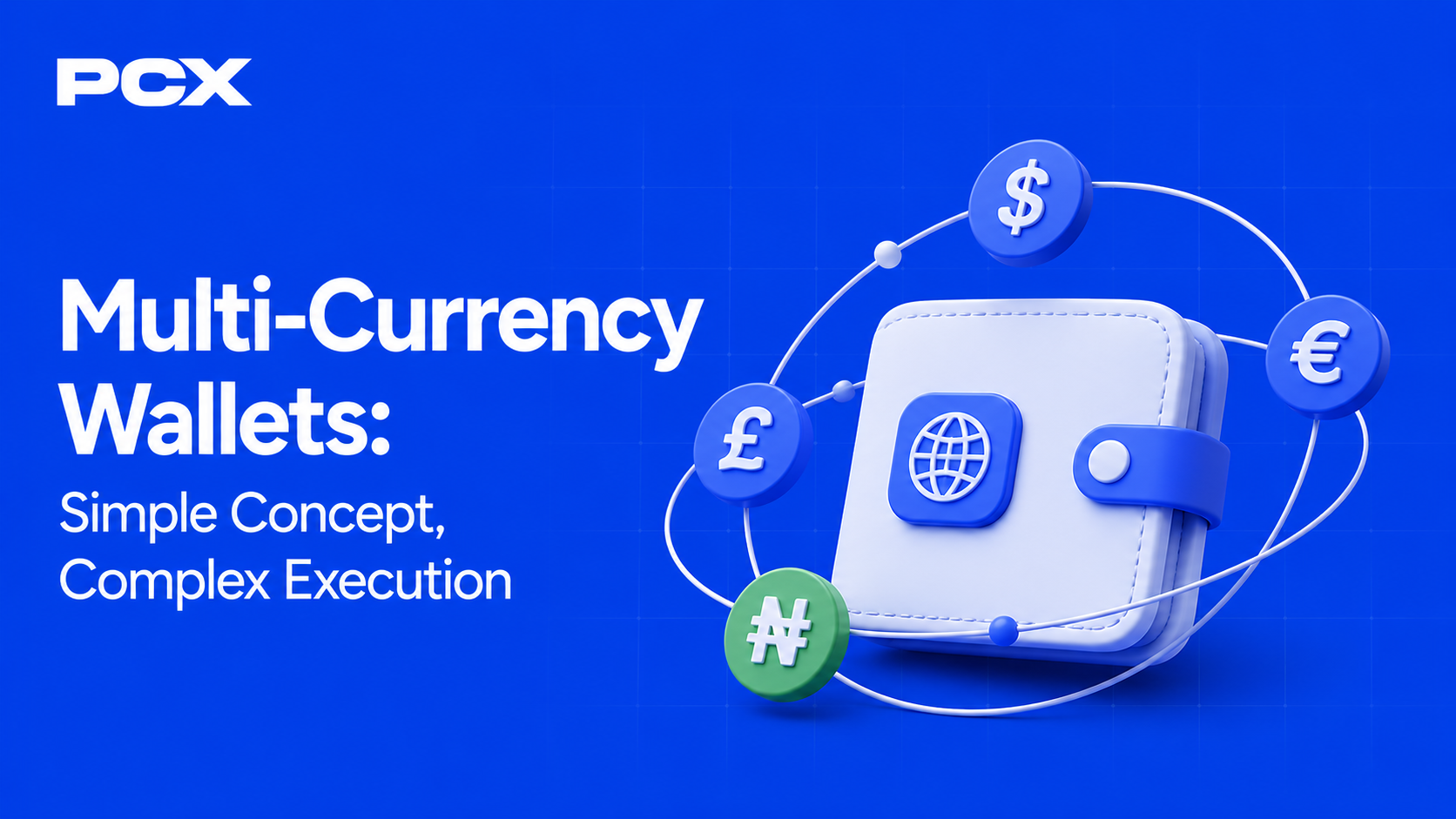
What appears to users as a single wallet interface is often supported by multiple fragmented banking relationships operating underneath.
As transaction volume grows, these differences become operationally significant.
Delayed settlement in one region affects liquidity forecasting elsewhere. FX volatility changes payout economics in real time. Compliance requirements vary across jurisdictions depending on how balances are stored or transferred.
The wallet may look unified to the customer.
The infrastructure underneath rarely is.
Where Platforms Underestimate Complexity
Most challenges emerge after launch.
At low volume, platforms can manually manage liquidity positions, monitor settlement timing, and absorb small reconciliation inconsistencies internally. But scaling introduces coordination problems that quickly become infrastructure issues rather than product issues.
A delayed payout in one currency can create balance visibility problems elsewhere. FX timing differences create reconciliation mismatches between ledgers. Transaction retries across currencies introduce duplicate settlement risks that become difficult to trace manually.
The challenge is not supporting multiple currencies individually.
It is maintaining consistency across all of them simultaneously.
At PCXPay, multi-currency infrastructure is approached as a visibility and orchestration problem rather than a simple balance storage feature. Routing logic, settlement tracking, and currency handling are structured to maintain operational clarity even as transaction flows move across multiple rails and jurisdictions.
Because in practice, the hardest part of multi-currency infrastructure is not moving money between currencies.
It is maintaining trust while doing it at scale.
Simplicity Is Usually Engineered
The best multi-currency products feel uneventful to users.
Balances update predictably. Transfers settle consistently. FX behaviour feels transparent. The system appears simple because the operational complexity has already been absorbed underneath the experience layer.
That simplicity is rarely accidental.
It is the result of infrastructure designed for fragmented financial environments from the beginning.
If your platform is planning to introduce multi-currency functionality, the biggest challenge may not be adding currencies. It may be designing the operational systems required to support them reliably as volume grows.
Learn how PCXPay approaches multi-currency infrastructure through settlement visibility, adaptive routing, and scalable transaction orchestration.